Brick Repair and Replacement services in Hoover
Brick Repair and Replacement Service EXPERTS
Brick repair and replacement to maintain structural integrity and restore a seamless, like-new appearance.
Professional Brick Repair And Replacement For Damaged Masonry
Damaged brick can take away from the appearance of an otherwise well-maintained property and may occur because of impact, moisture exposure, age, weathering, movement, or previous construction work. Our masonry services are designed around the actual condition of the property, while brick repair and replacement solutions focus on restoring damaged masonry units while keeping the surrounding wall in consideration.
From a few cracked bricks to missing or heavily deteriorated sections, each repair can involve different preparation and installation requirements. We review the affected masonry, surrounding brickwork, access, and overall appearance before establishing a practical approach for the project.
Why Damaged Brick Should Be Addressed With A Careful Masonry Approach
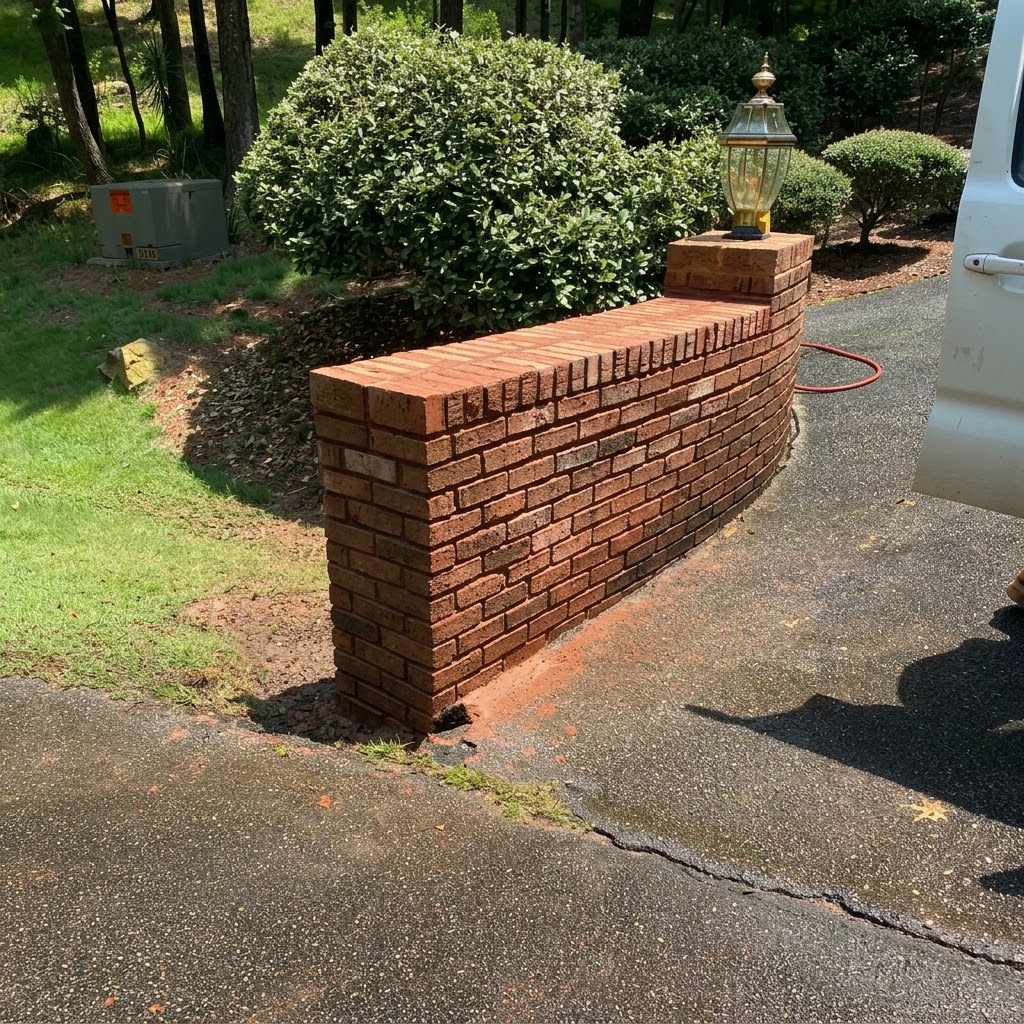
Individual bricks can become cracked, chipped, spalled, loose, or missing while the surrounding masonry remains in usable condition. When that happens, replacing or repairing only the affected areas can provide a more focused solution than disturbing an entire wall.
Professional Brick Repair And Replacement can help property owners address visible damage while preserving the established layout and character of the existing brickwork. Depending on the condition of the masonry, the work may help:
- Replace broken, cracked, heavily spalled, or missing brick units
- Improve the appearance of isolated areas of brick deterioration
- Restore damaged sections of walls, facades, columns, and other masonry features
- Address localized brick problems caused by weather exposure, impact, age, or moisture
- Correct visibly inconsistent areas created by earlier repairs or replacements
- Maintain a more cohesive appearance between repaired units and the existing masonry
The goal is to restore the affected brickwork with a repair strategy that makes sense for the structure already in place instead of applying the same solution to every damaged area.
Trusted Brick Restoration Across The Communities We Serve
Brick construction varies from one property to another, and so do the conditions that lead to damaged masonry. Our Brick Repair And Replacement service is adapted to the existing wall pattern, the affected units, the extent of visible damage, and the finished appearance the property owner wants to maintain.
- Hoover : Hoover properties can feature brick facades, columns, entries, chimneys, and decorative masonry where individual bricks become cracked or weathered. We focus on the damaged units while considering the surrounding layout and overall finish of the wall.
- Birmingham : Birmingham has a mix of established masonry and newer brick construction, creating different repair needs from property to property. We consider brick size, texture, placement, surrounding joints, and the age of the existing masonry when planning a repair.
- Vestavia : Vestavia homeowners may notice chipped faces, cracks, or isolated deterioration in otherwise intact brickwork. Our repair process keeps attention on the affected sections and the visual relationship between replacement units and the surrounding courses.
- Homewood : Homewood properties may contain detailed brickwork where even a small damaged unit can stand out. We approach replacement with attention to the existing architectural pattern, neighboring bricks, and the overall appearance of the repaired area.
- Trussville : Trussville properties can experience brick deterioration around exterior walls, walkways, entrances, and other exposed masonry features. We evaluate the damaged sections individually so the repair scope matches the actual condition of the brickwork.
- Mountain Brook : Mountain Brook homes often incorporate brick into facades, architectural details, chimneys, and landscape structures. When individual bricks become damaged, we account for the existing style and masonry pattern while planning the replacement.
- Hueytown : Hueytown properties may develop cracked, chipped, or missing brick units after years of weather exposure or localized impact. Our approach centers on the affected masonry and the condition of the surrounding brick before replacement work begins.
- Leeds : Leeds exterior brickwork can show gradual signs of surface wear, cracking, or deterioration from outdoor exposure. We identify the affected units and consider their relationship to the surrounding courses when determining the most practical repair scope.
- Warrior : Warrior homes and businesses may have brick damage around walls, chimneys, porches, entries, or other exposed features. We focus on restoring the compromised areas while maintaining a consistent relationship with the surrounding masonry.
- Huntsville : Huntsville masonry may experience cracked or weathered brick after years of exposure to changing outdoor conditions. We evaluate individual damaged units as well as nearby brickwork so the repair reflects the existing construction.
- Madison : Madison properties may include a combination of newer and established brick installations with different maintenance histories. Our repair process considers the existing brick characteristics before replacing damaged units within the wall.
- Decatur : Decatur homes and buildings can contain older brickwork where isolated damaged units become increasingly visible over time. We keep the repair focused on the compromised areas while preserving the established arrangement of the surrounding masonry.
- Hartselle : Hartselle properties may need brick replacement around exterior walls, steps, chimneys, columns, or entry areas. We review the affected location and nearby masonry so the project addresses the actual damage instead of expanding the scope unnecessarily.
- Blountsville : Blountsville property owners may see cracked, chipped, or weathered brick in exposed portions of their masonry. Our repair work is tailored to the condition of those units and the existing wall pattern so the finished section remains visually cohesive.
Brick Repair And Replacement Services For Different Types Of Masonry Damage
Brick repair can involve anything from replacing one severely damaged unit to restoring a localized section of a larger wall. The proper scope depends on the number of affected bricks, their condition, the surrounding masonry, access to the work area, and the desired finished result. Our work may include:
- Individual Brick Replacement for broken, cracked, missing, or extensively deteriorated units
- Localized Masonry Repair for smaller areas where only selected bricks require attention
- Spalled Brick Replacement when the face or surface of a brick has broken away or deteriorated
- Brick Facade Restoration for visible damage affecting exterior walls and architectural masonry
- Chimney Brick Replacement for damaged units located within exposed chimney structures
- Brick Matching And Installation with attention to dimensions, orientation, texture, and surrounding pattern
- Final Cleanup And Detailing to improve the transition between the restored section and existing masonry
Different brick conditions call for different repair methods. Evaluating the actual masonry helps determine whether isolated replacement or a broader repair scope is appropriate.
Common Brick Damage That Property Owners Should Pay Attention To
Brick damage does not always begin as an obvious masonry problem. A small crack, chipped corner, worn face, or localized area of deterioration can gradually become more noticeable as the brick continues to experience outdoor exposure.
Property owners may also notice loose units, missing bricks, uneven replacement work, or sections that no longer match the original wall. Reviewing these signs together with the surrounding masonry can help determine whether the issue appears isolated or deserves a broader masonry assessment.
Restoring Brick Walls, Chimneys, Facades, Columns, And Exterior Details
Brick is commonly used throughout exterior walls, chimney structures, columns, entry features, garden elements, and other architectural surfaces. Each location can expose the masonry to different levels of weather, moisture, impact, and everyday wear.
Because of those differences, brick replacement should account for more than the damaged unit itself. Size, texture, color, orientation, surrounding joint lines, and the established masonry pattern can all influence how the repaired section looks after installation.
Thoughtful Preparation And Brick Matching Help Create A Cohesive Repair
Preparation plays an important role in brick replacement. Before removing a damaged unit, the surrounding masonry may need to be evaluated for adjacent damage, previous repair work, joint condition, access, and other factors that could affect the installation.
Once the replacement brick is prepared, attention can be given to its placement, orientation, alignment, spacing, surrounding joints, and surface cleanup. These details help the restored area work visually with the original masonry rather than appearing as a disconnected patch.
Our Brick Repair Process Is Built Around The Condition Of The Existing Masonry
The process begins with a review of the damaged brick and the surrounding masonry. We consider the location of the affected units, visible deterioration, nearby brickwork, existing joint conditions, access, and the property's overall construction before defining the repair scope.
During the repair, damaged units are addressed with attention to careful removal, preparation, replacement placement, alignment, and surrounding masonry protection. The work is organized around the specific property rather than relying on a standard replacement method for every situation.
Once the replacement is complete, the repaired section can be reviewed for alignment, joint consistency, cleanup, transitions, and overall appearance. This final step helps ensure the restored area fits naturally with the existing brickwork.
Reliable Brick Repair And Replacement Built For A Cleaner, More Complete Masonry Finish
Property owners looking for dependable masonry repair services can address damaged units through a focused brick restoration service based on the condition of the affected masonry and the surrounding wall. When you are ready to discuss cracked bricks, missing units, spalling, or other visible masonry damage, contact our brick repair professionals to review the property and discuss a practical repair approach.
We understand that replacement brick should work with the construction that is already there. Our process emphasizes careful inspection, appropriate preparation, thoughtful matching, accurate placement, surrounding joint coordination, cleanup, and attention to the finished appearance of the restored area.
Why Maintaining Damaged Brick Can Improve The Overall Appearance Of Your Property
Cracked, missing, or heavily weathered bricks can stand out against otherwise maintained masonry. Addressing deteriorated units gives property owners an opportunity to refresh the visible condition of the wall while keeping the work centered on areas that actually require attention.
Brick replacement can also be incorporated into broader property maintenance. A homeowner may repair selected chimney bricks, restore part of an exterior facade, replace damaged entry masonry, or correct isolated wall damage as part of a larger exterior improvement project.
The appropriate scope depends on the extent of the damage, the condition of the nearby masonry, access to the affected area, and the finished result the property owner wants to achieve.
From Damaged Unit To Finished Masonry: How We Manage Brick Replacement
We begin by examining the damaged bricks and the surrounding wall so the repair can be based on the actual masonry condition. This review helps identify the affected units, nearby concerns, access considerations, and any previous repair work that may influence the project.
Preparation then follows the specific requirements of the installation. During replacement, attention is given to unit placement, alignment, joint transitions, surrounding surfaces, and work-area protection so the repaired section remains consistent with the existing masonry.
After the replacement work is finished, the area can be reviewed for placement, visual continuity, cleanup, and final detailing. Whether the project involves one damaged brick or a larger group of units, the approach is adjusted to the property's specific needs.
When Should You Consider Brick Repair Or Replacement?
Some masonry damage is easy to overlook until it becomes more visible. Property owners may want to consider an evaluation when they notice:
- Bricks that are cracked, split, chipped, or visibly broken
- Bricks with substantial surface deterioration or spalling
- Missing brick units that leave visible openings in the masonry
- Loose bricks that no longer appear properly integrated with the wall
- Previous replacement areas that do not match the surrounding masonry
- Localized damage around chimneys, corners, openings, steps, or entry areas
- Brick surfaces showing significant weather-related wear or deterioration
These conditions can have different causes and may require different responses. A professional masonry evaluation can help determine whether isolated brick replacement, broader repair, or another service is the most suitable option.
Why Homeowners And Property Owners Choose Our Brick Repair Team
- Experienced masonry professionals focused on damaged brick and surrounding construction
- Careful assessment of cracked, chipped, spalled, loose, and missing brick units
- Repair planning based on the exact location and condition of the affected masonry
- Attention to brick alignment, spacing, texture, surrounding joints, and finished appearance
- Repair options tailored to walls, chimneys, facades, columns, entries, and other brick features
- Clear communication throughout the brick repair and replacement process
- Professional work practices designed to respect nearby finished surfaces and property areas
- A practical approach that avoids treating every brick repair project exactly the same way
Factors That Can Influence Brick Repair And Replacement Costs
The cost of brick repair can vary depending on the number of damaged units, the severity of the deterioration, access to the affected location, replacement material, preparation requirements, and the amount of surrounding masonry that needs attention. A single-unit repair may involve very different work from restoring a larger section.
- Number of affected bricks — more damaged units can increase removal, preparation, and installation time
- Condition of surrounding masonry — adjacent deterioration or previous repair work can require additional preparation
- Brick type and matching requirements — size, shape, texture, and appearance can affect replacement planning
- Work location — chimneys, upper walls, confined spaces, and elevated areas can require additional planning
- Accessibility and setup — restricted access may affect protection, equipment, and project organization
- Related masonry work — additional chimney, stone, block, wall, or hardscape repairs can expand the project scope
Understanding these factors helps property owners evaluate the recommended repair scope based on the actual condition of the masonry and the finished result they want.
Frequently Asked Questions About Brick Repair And Replacement
Brick repair involves evaluating damaged masonry units and determining whether they can be repaired or should be replaced. The work may include removing damaged bricks, preparing the surrounding area, installing replacement units, coordinating adjacent joints, and completing final cleanup.
Replacement may be appropriate when a brick is severely cracked, broken, heavily spalled, missing, or too deteriorated for a practical localized repair. The surrounding masonry should also be evaluated before choosing the final approach.
Common signs include visible cracks, chipped faces, spalling, missing units, loose bricks, significant surface deterioration, and replacement areas that no longer match the surrounding masonry.
Yes. Individual damaged chimney bricks can sometimes be replaced when the surrounding masonry remains suitable. The condition of the chimney, the location of the damaged unit, and access to the area should be evaluated before the repair approach is selected.
Not necessarily. Some projects involve localized brick damage that can be addressed by replacing selected units while leaving surrounding masonry in place. The appropriate scope depends on the pattern and extent of the damage and the condition of the existing wall.
Project time varies depending on the number of damaged units, access, preparation, material matching, and the extent of surrounding masonry work. Replacing a few bricks can require much less work than repairing a larger section.
Matching can be important for the overall appearance of the finished masonry. Size, texture, color, profile, orientation, and placement can all affect how naturally the replacement units blend with the existing wall.
Masonry Services We Offer Aside From Brick Repair And Replacement
SEE WHAT OUR CUSTOMERS SAY ABOUT US
REVIEWS
REVIEW US ON GOOGLE
our process
Our process is simple and only contains a few steps
proudly serving these areas
Hoover
Birmingham
Vestavia
Homewood
Trussville
Mountain Brook
Hueytown
Leeds
Warrior
Huntsville
Madison
Decatur
Hartselle
Blountsville
READY TO take the next step?
get a free quote TODAY!


business
our services
service areas
operating HOURS
Monday: 7:00 AM - 5:00 PM
Tuesday: 7:00 AM - 5:00 PM
Wednesday: 7:00 AM - 5:00 PM
Thursday: 7:00 AM - 5:00 PM
Friday: 7:00 AM - 5:00 PM
Saturday: 7:00 AM - 5:00 PM
Sunday: Closed

© 2026 Mark Wayne Masonry